What Frogs and Octopuses Know (That ChatGPT Doesn't)
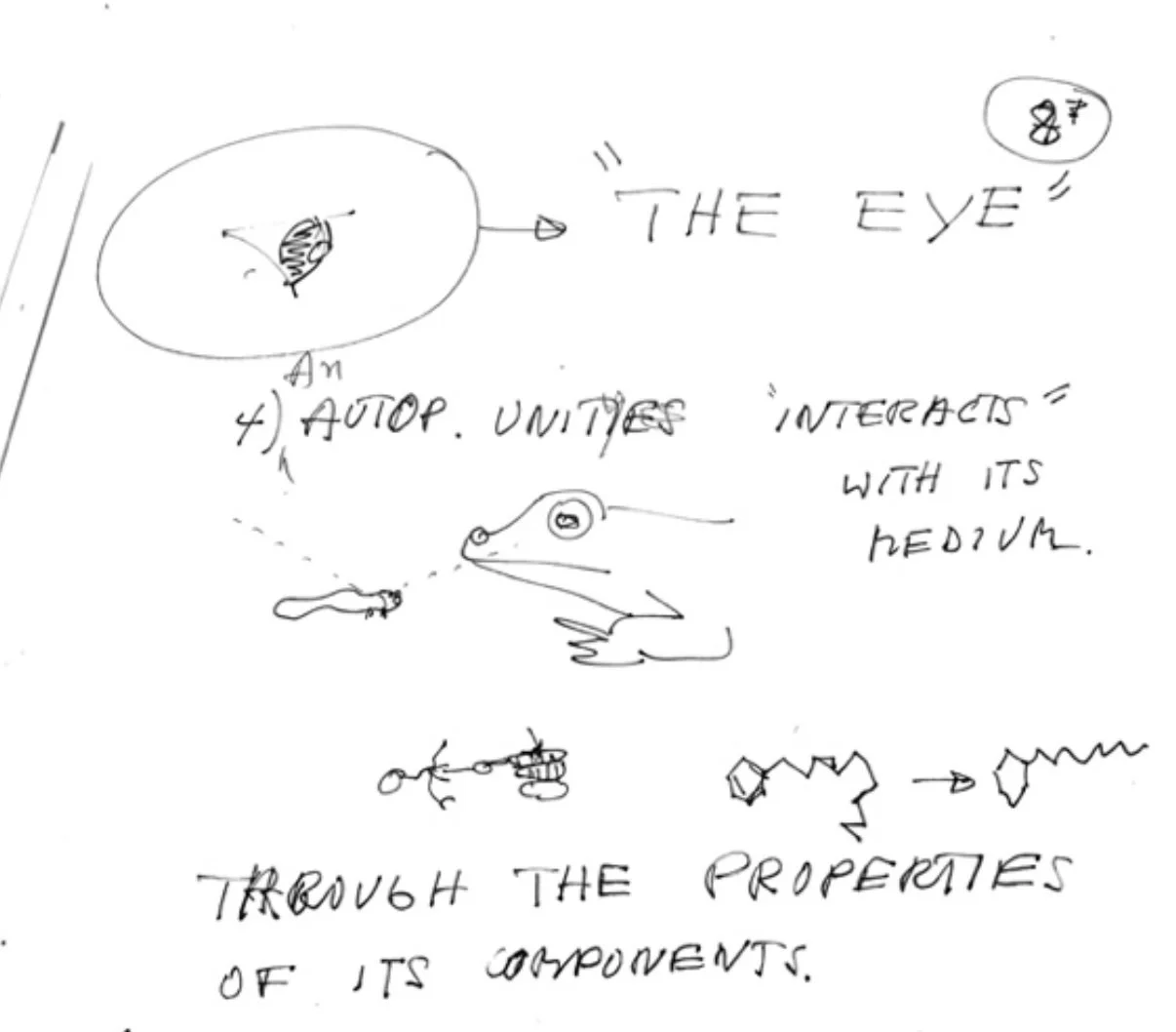
Join us as Won Jeon shows how AI produces convincing language while lacking the situational awareness that powers the communication of living organisms.
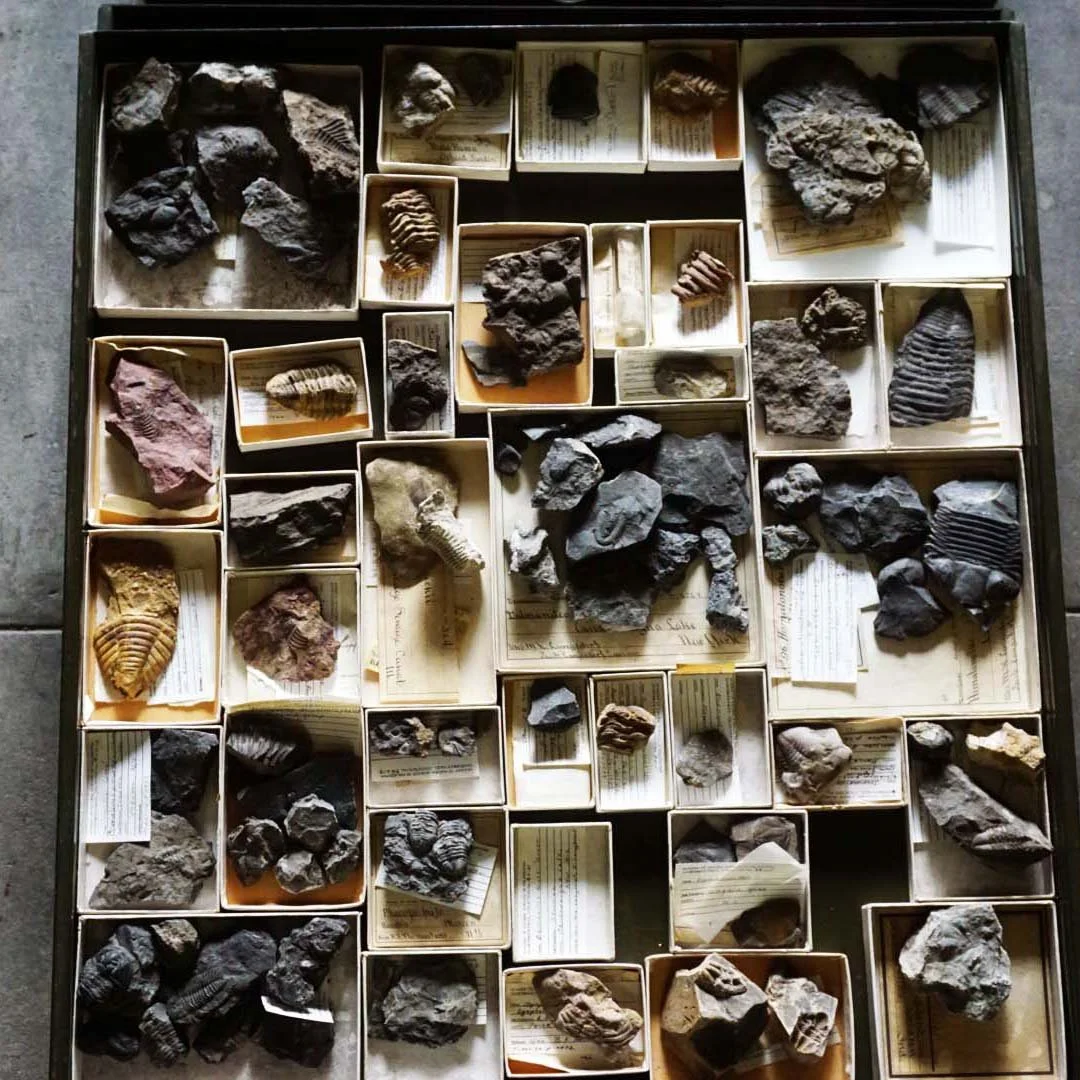
Did you know that behind the scenes of many natural history museums are millions of specimens representing life on earth, from fossils to insects to plants? Museums worldwide, including the Academy of Natural Sciences, are now moving specimens from cabinets to the cloud, digitizing them and sharing the data through global online platforms. By unlocking this data and making it more accessible to researchers worldwide, museums are transforming specimens into powerful tools for research, discovery, and solutions to some of the world’s most urgent problems.
What happens when the traditional rules that govern taxonomy, the practice of naming species and higher categories of life, predate evolutionary thinking? Do you break the rules to accommodate new discoveries? Join Jason Downs, a consummate rule follower, as he argues that rules should be followed until they no longer work—then they should be rewritten.
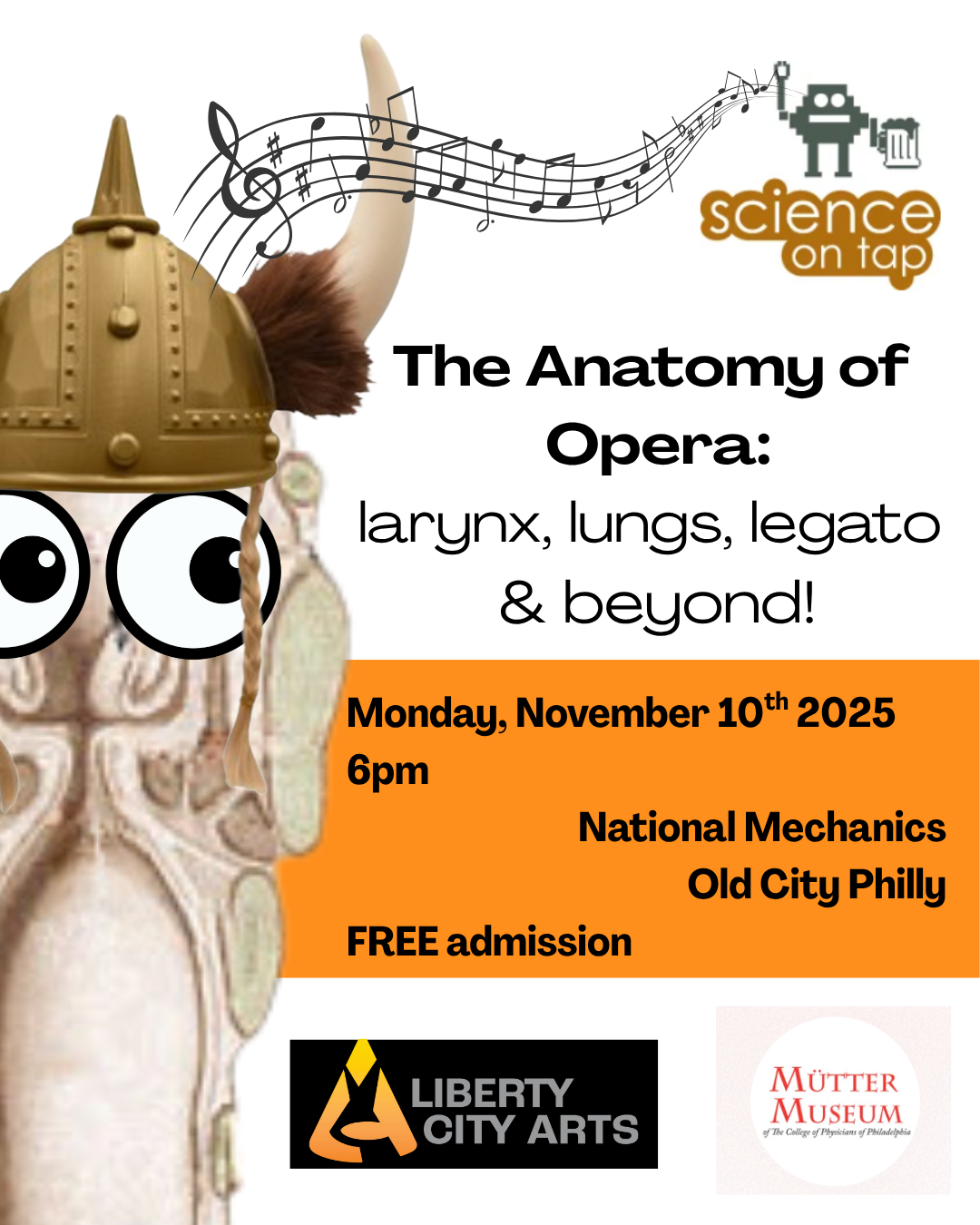
Learn about anatomical phenomena that contribute to the incredible opera voices that have been captivating audiences for centuries…presented by three Philadelphia-based opera singers who promise to showcase what you’ve learned with live performances!
What motivates a scientific biographer? How do those motivations relate to the public understanding of science? Join Judy Kaplan, Public Historian of Science at the Science History Institute, as she dives into biography, one of the oldest and most popular genres of science communication.
In “America’s Scientific Revolutionaries,” a multiyear project funded by the Richard Lounsbery Foundation in the lead up to the 250th anniversary of the Declaration of Independence, the American Philosophical Society will illuminate that overshadowed scientific revolution that ran between 1763 and 1804.
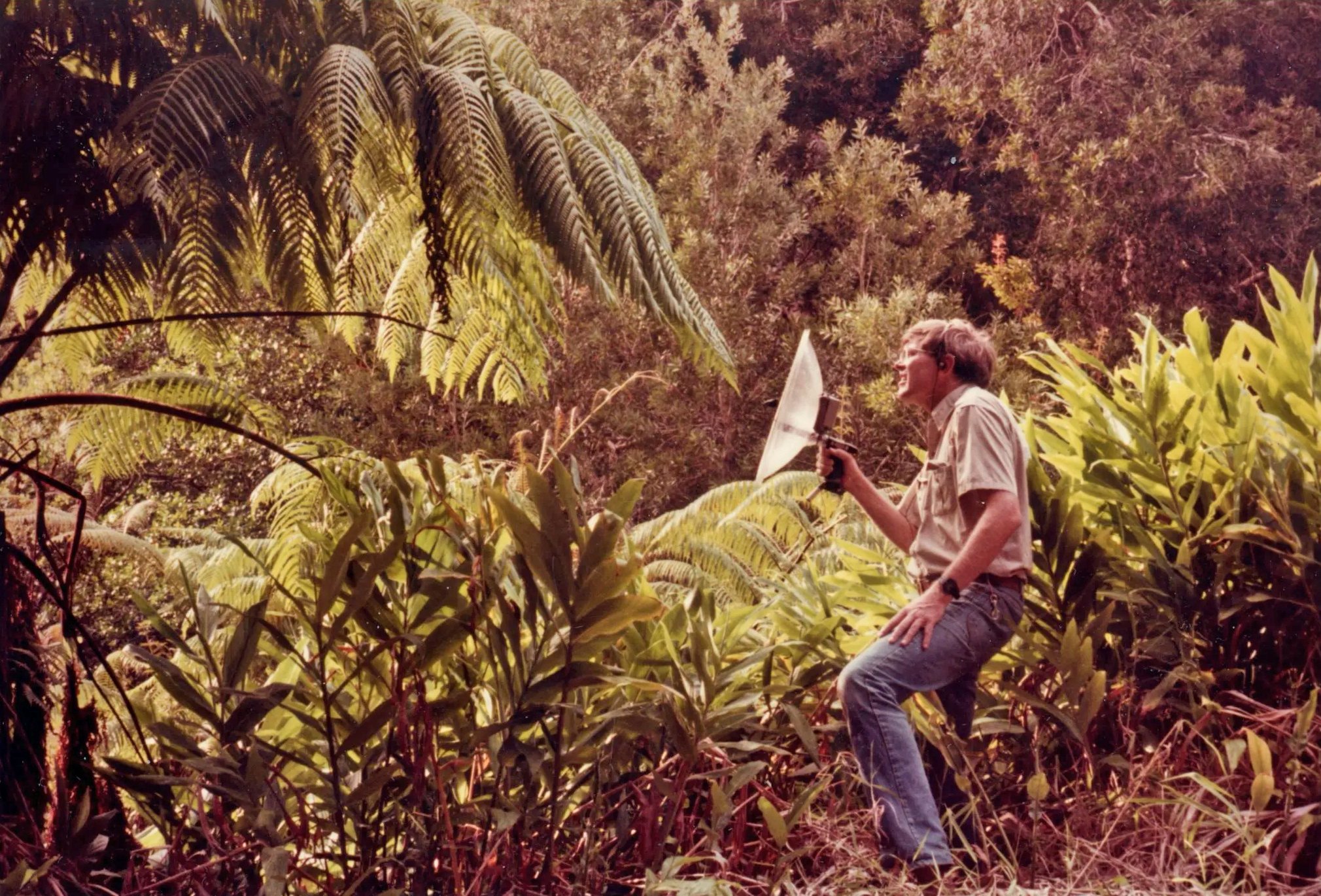
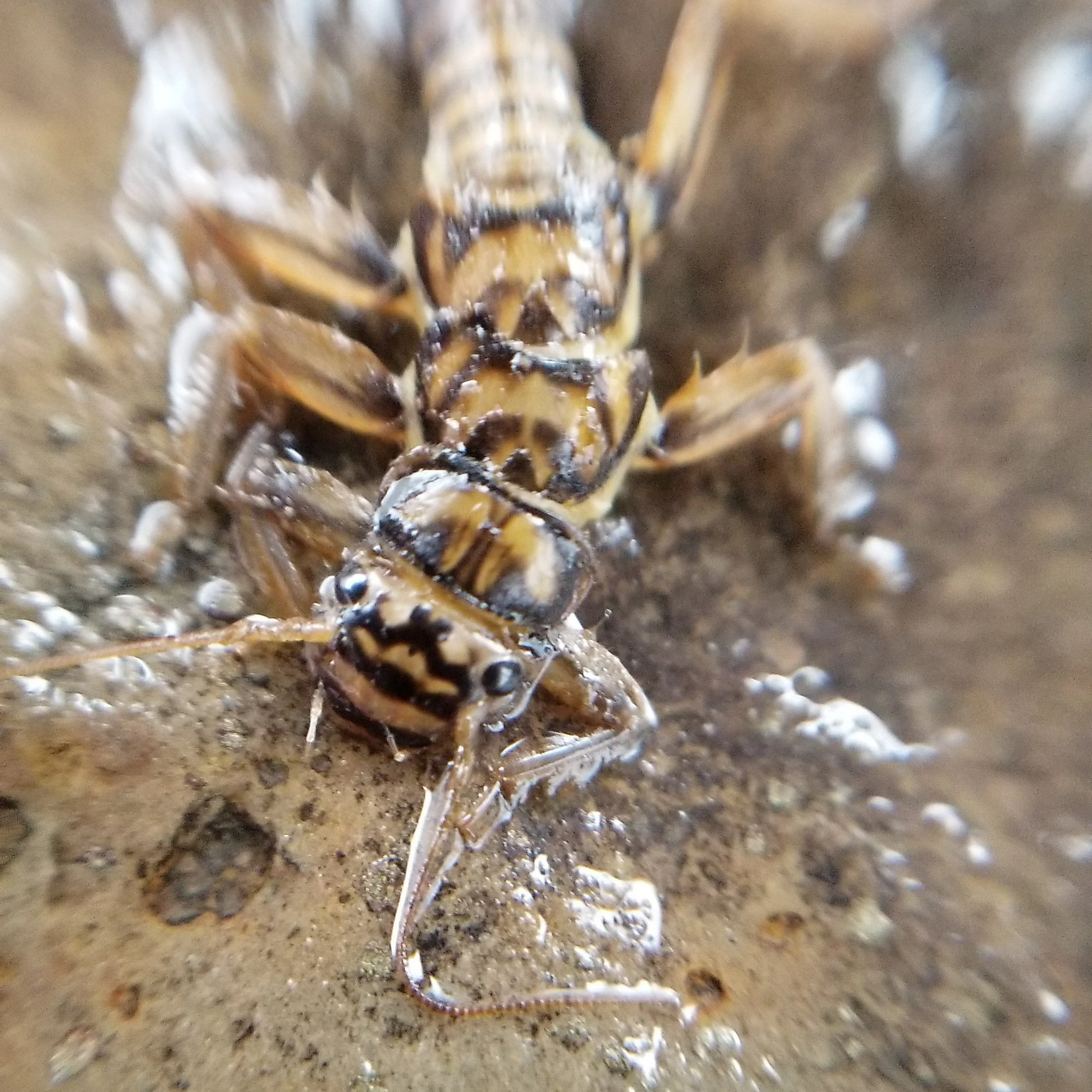
Experience the acoustic recording collection of Curator Emeritus Dan Otte, Ph.D. which spans over 30 years and documents species across the globe, both known and unknown to science. Learn about how the current generation of Academy researchers and Drexel students are combing through these recordings for the secrets they hold and are working to make them publicly accessible.
How much of our sleep is hardwired—and how much is shaped by the world around us? Join internationally recognized pediatric sleep expert Dr. Jodi Mindell for a fascinating talk that explores this question through a global lens.
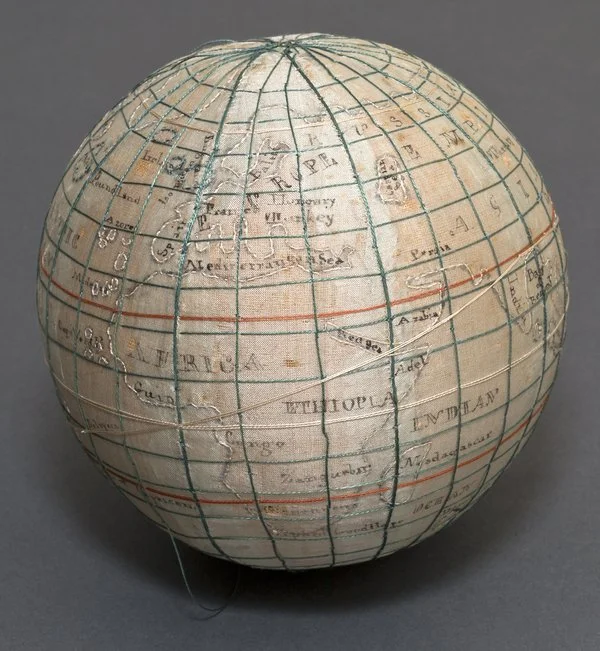
Samplers stitched by schoolgirls give us a unique window into women's education. Researcher Lydia Wood will discuss how these charming objects are more than proof of skilled stitching and literacy, they are part of global networks of trade and ideas in the early 19th century.
Explore the environmental and social impacts of the fashion industry, including the connection between our wardrobes, soil health, and the value of local, regenerative fiber systems.
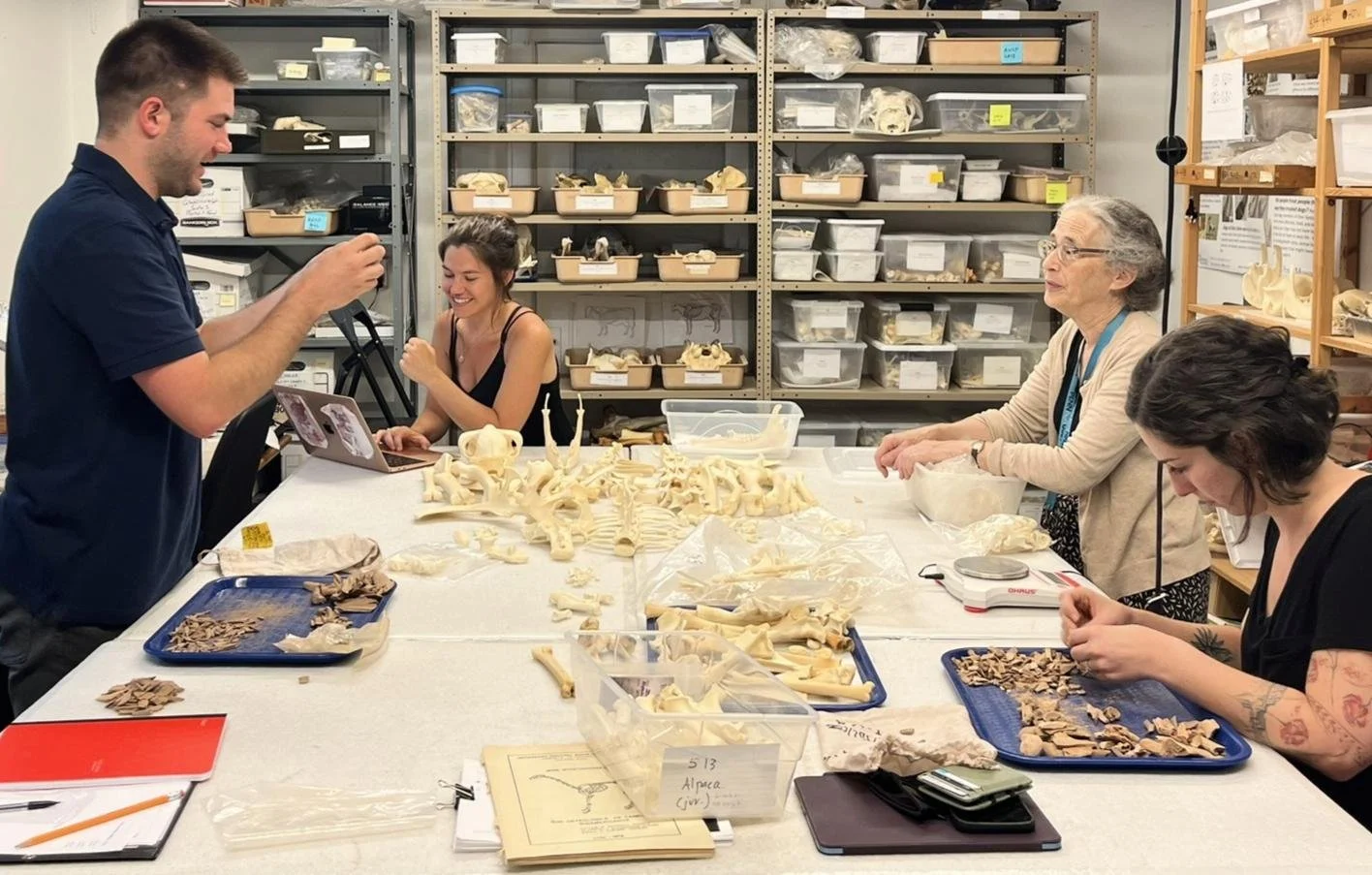
Philadelphia's history as an industrial powerhouse is more than factories and railroads. Join zooarchaeologist Dr. Katherine Moore, for a unique perspective on Philadelphia’s past, as she reveals what animal bones, historical records, and urban landscapes tell us about the connections between animals, industry, and daily life.
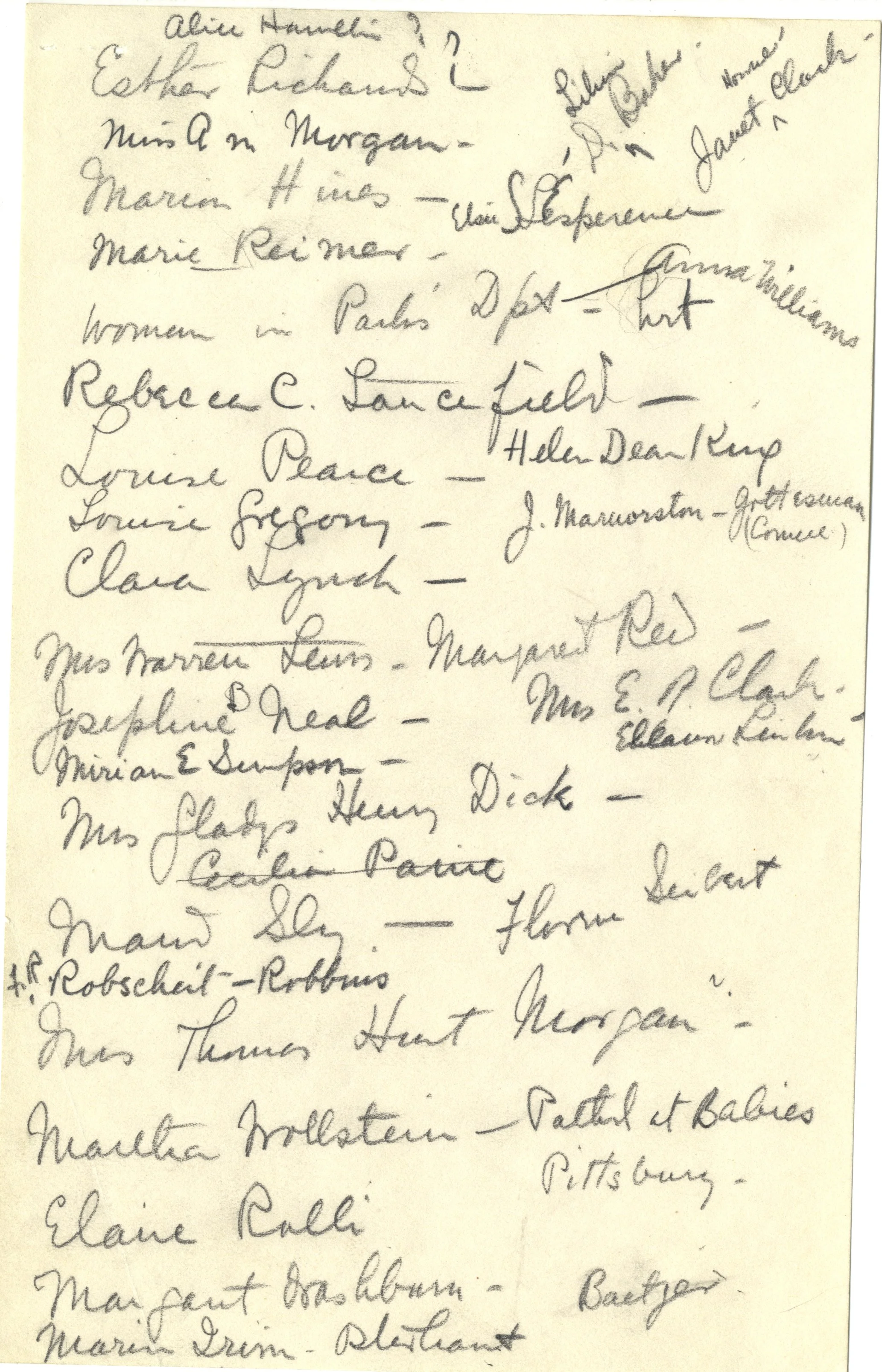
As women entered the academic workforce in the late 19th and early 20th century, they undertook formal and informal efforts at networking and elevating each other’s work, with mixed levels of success. This talk will consider the digital project Visualizing Women in Science, a multi-year effort at the American Philosophical Society to find evidence of forgotten women scientists in their holdings.
Akilah Chatman (they/them) is an environmental justice & resilience, community-based participatory action researcher working to connect people to their environment in ways that are culturally responsible. Come dive into their work as they talk you through co-developing this novel type of research and learn about the various communities they work with.
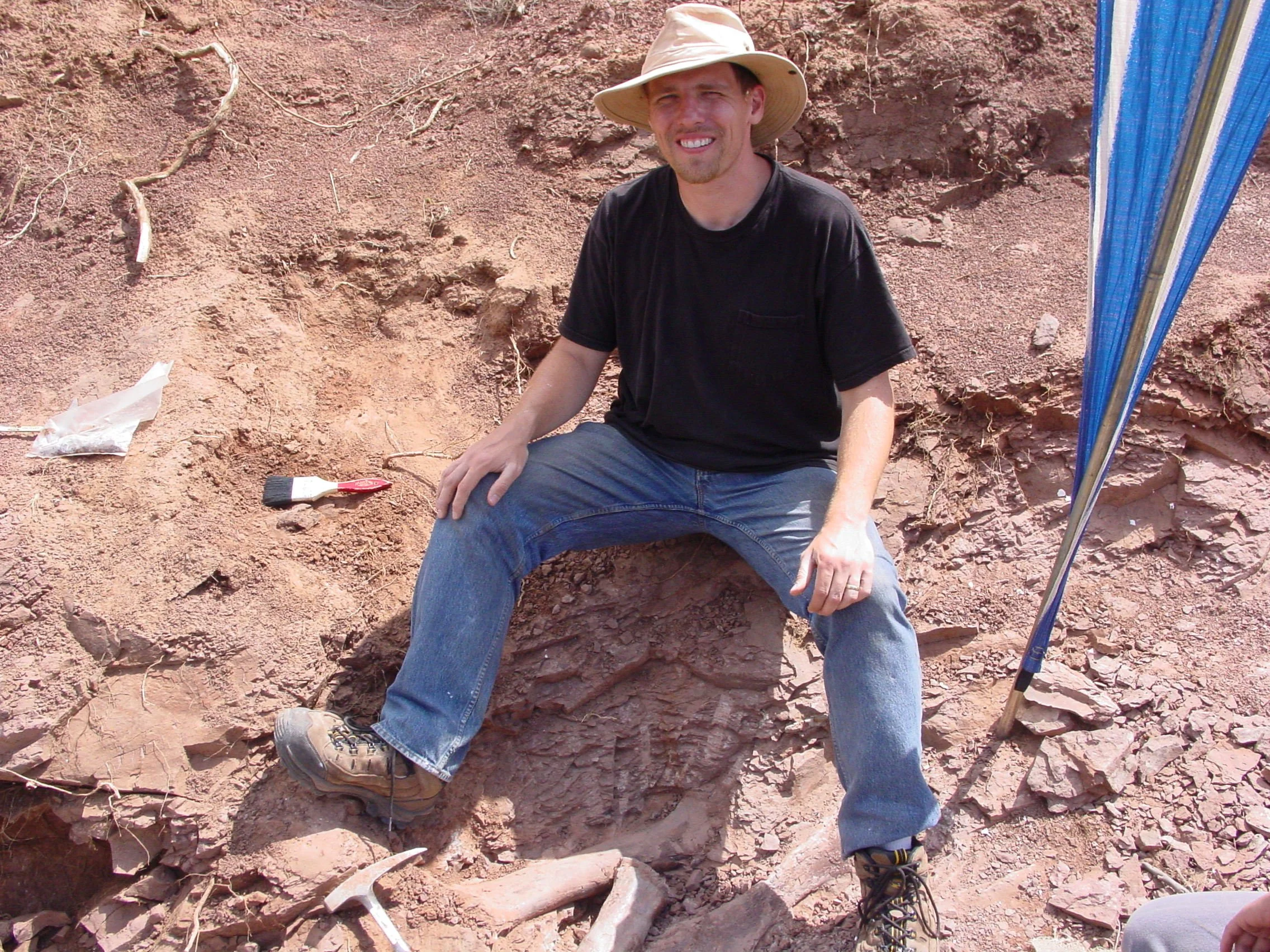
Dr. Bonnan’s research focuses on understanding the role of forelimbs, particularly in sauropods—the largest animals to ever walk the earth, in locomotion, posture, and support. Together with previous studies on lizards and other sprawling tetrapods, evidence shows that complex elbow movements are an ancient mechanism for efficient overground locomotion.
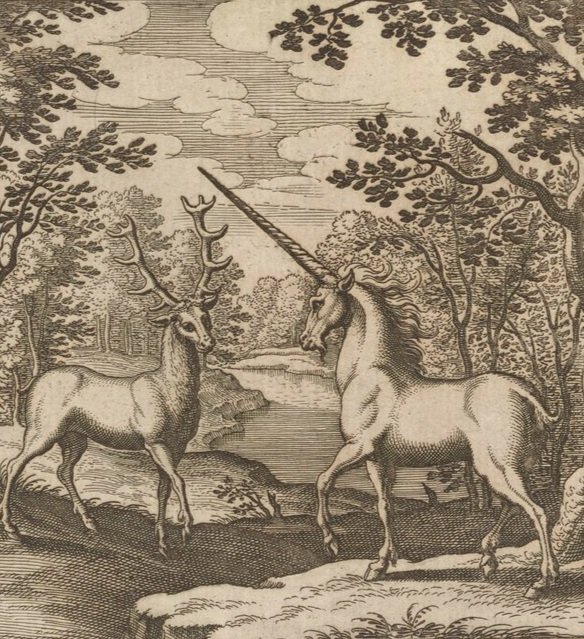
Science On Tap: Untapped returns as we celebrate 15 years of science programming! At this special edition of our science cafe, we explore the myths, legends, and science behind some of our favorite mythical creatures.
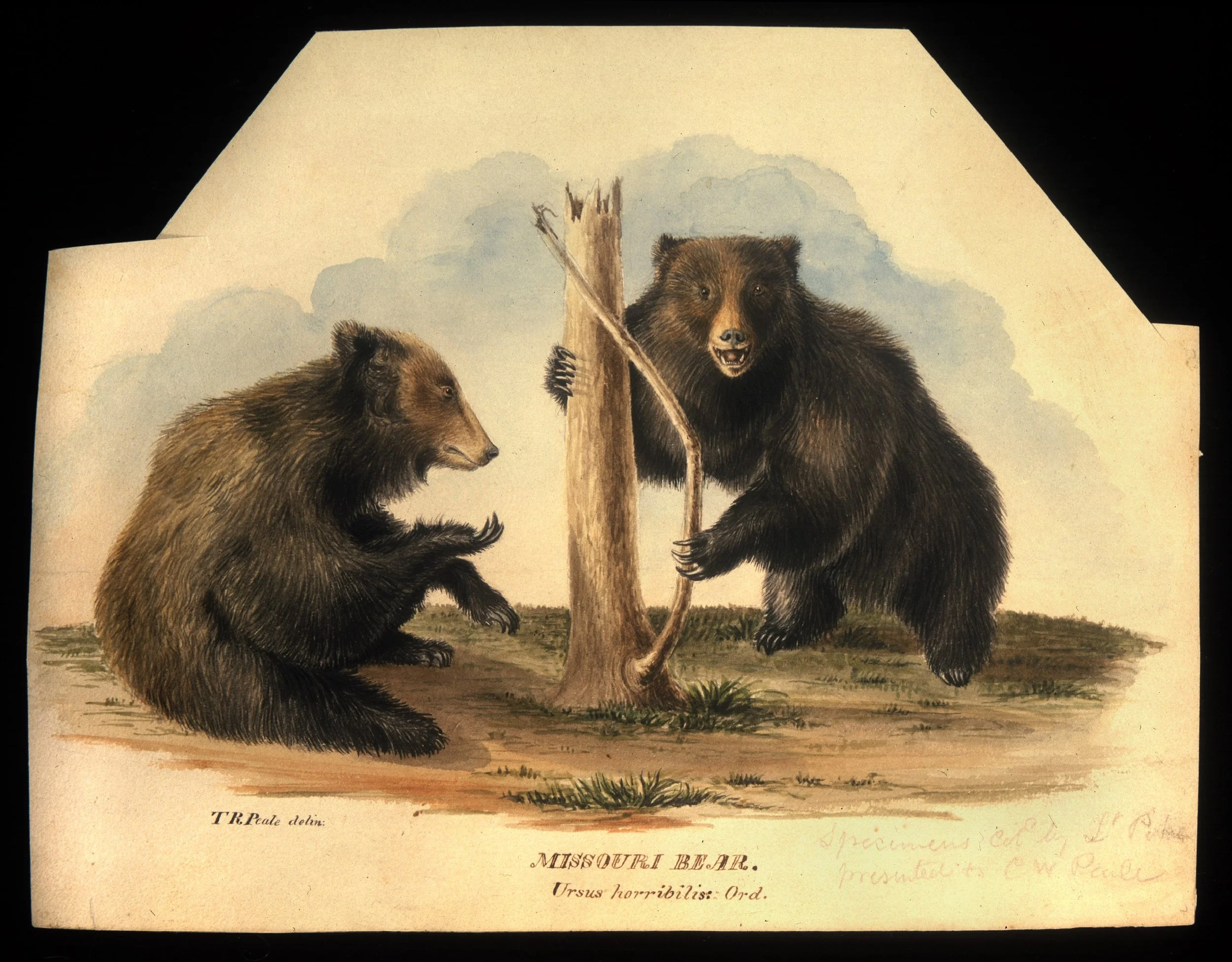
Sketching Splendor, an exhibition at the American Philosophical Society Museum, explores the work of William Bartram, Titian Ramsay Peale, and John James Audubon, three American naturalists who sought to illuminate nature’s complexity. But there were many others who also contributed to early American science, including many Native Americans, people of African descent both enslaved and free, and women whose names are less known. In this talk the exhibition’s curator, Dr. Anna Majeski, will focus on some of their stories as highlighted in the new exhibit.
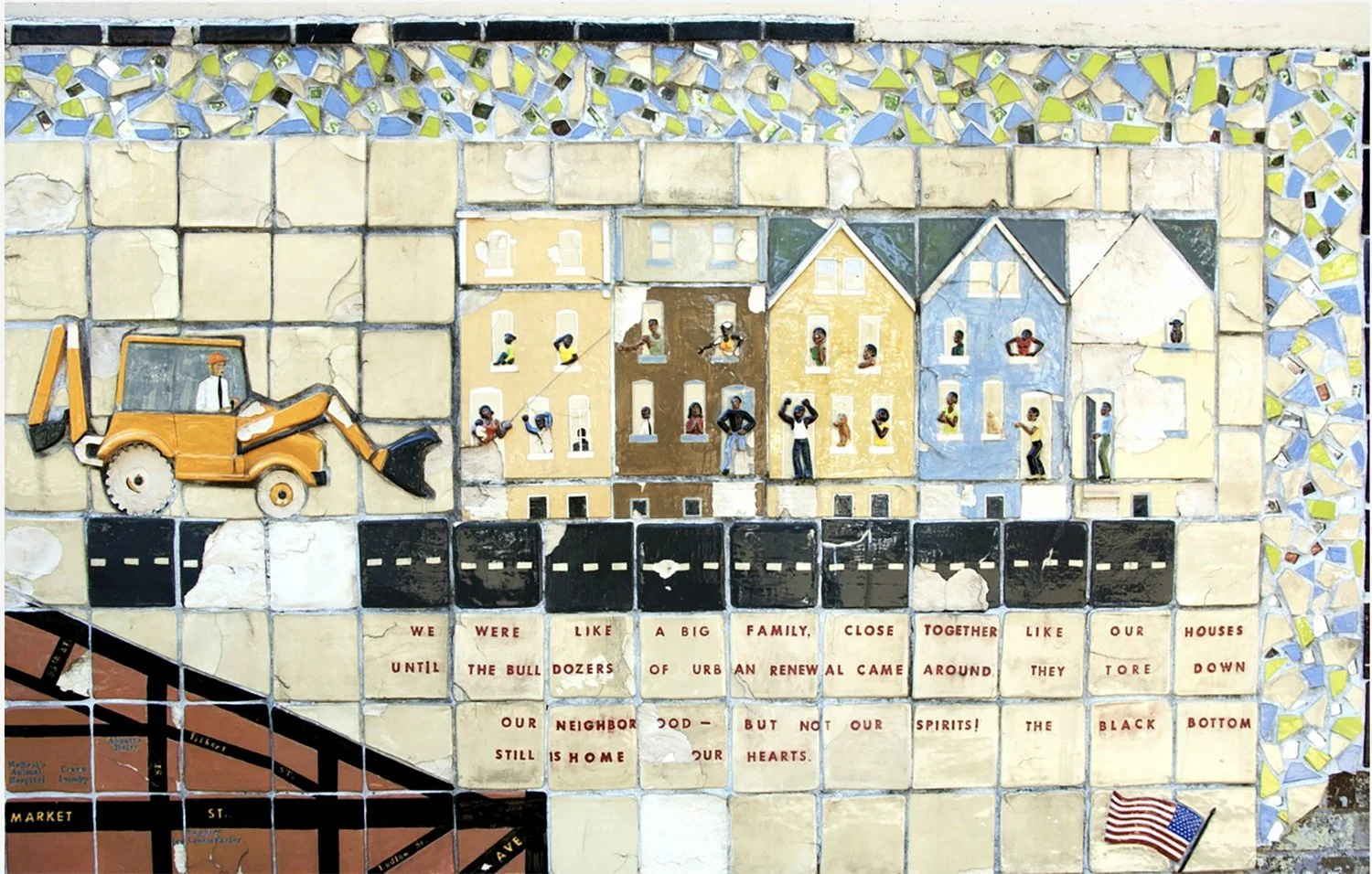
For four months in 2023, community members and students worked alongside professional archaeologists to excavate artifacts and features that highlight the love, community, and humanity of the Black Bottom neighborhood and recognize the violence of its destruction under the guise of urban renewal. Co-project directors Dr. Sarah Linn and Dr. Megan Kassabaum will discuss the early stages of project planning, the 2023 excavation season, collaborative lab work undertaken in 2024, and current efforts to share the recovered stories widely.
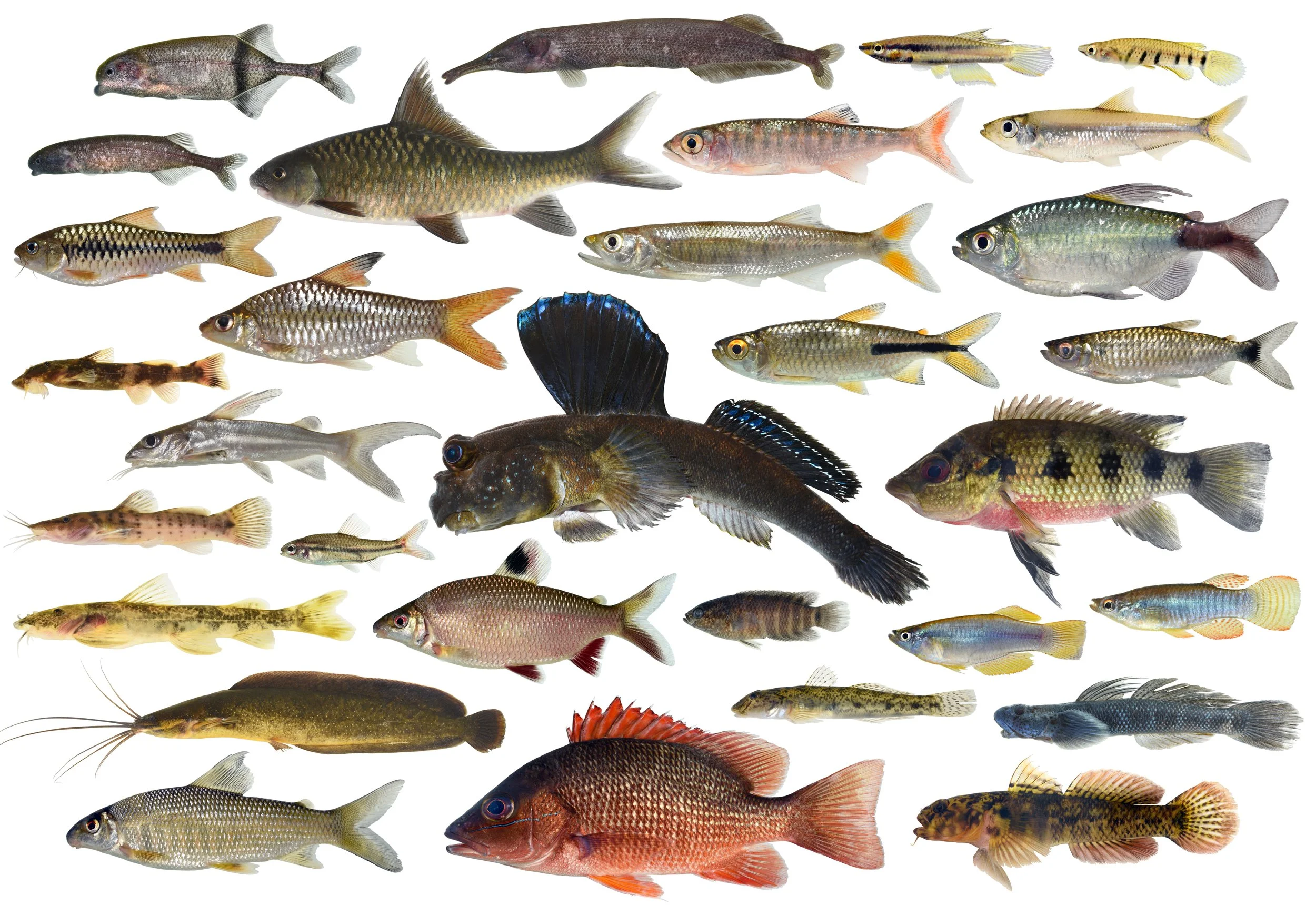
Mark Sabaj (sa-BAY), Curator of Ichthyology, Academy of Natural Sciences. With funding from Academy benefactors Daniel and Patricia Fromm, a team of Academy naturalists (Mark Sabaj, Cecile Gama, Anwar Abdul-Qawi, Daouda Njie and David Montgomery) conducted a two-week expedition to collect fishes from the African country of Equatorial Guinea.
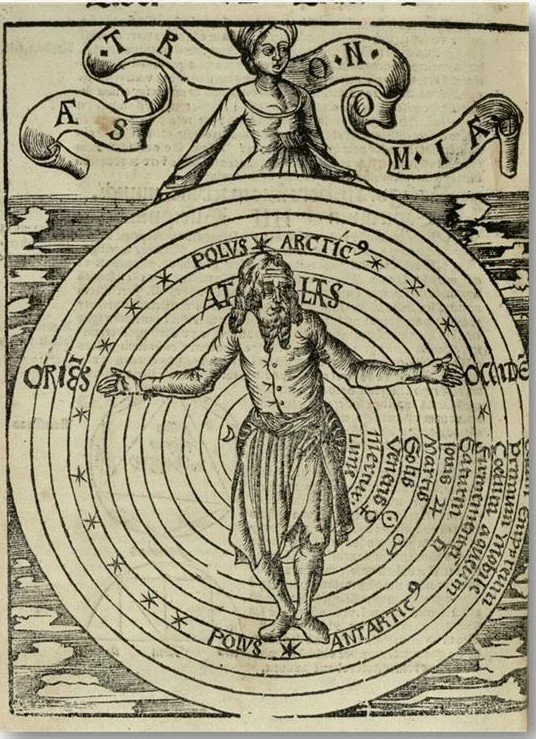
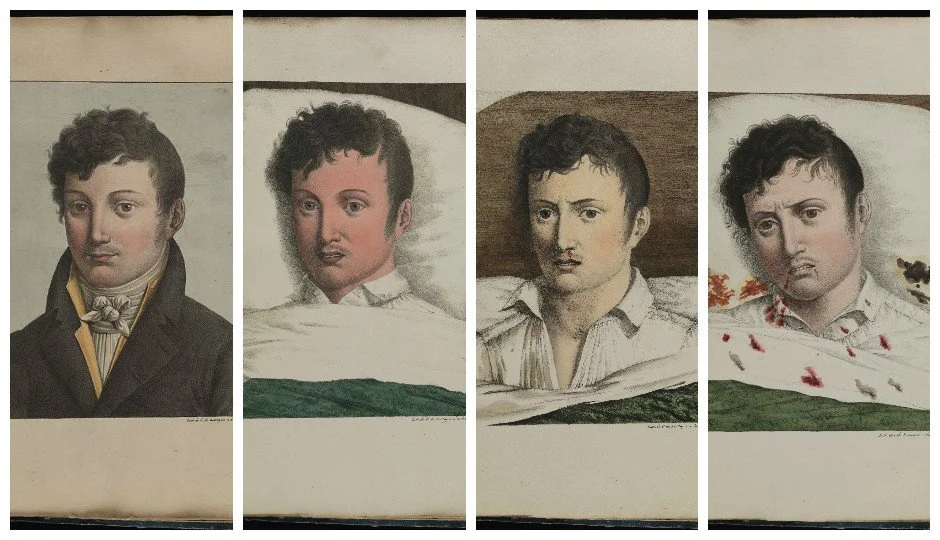
This talk will dive into an unexpected discipline of medicine – medical astrology - by examining some of the numerous publications on the topic housed within the Historical Medical Library of the College of Physicians of Philadelphia, many from the 14th, 15th, and 16th centuries during the height of the curious discipline's popularity.
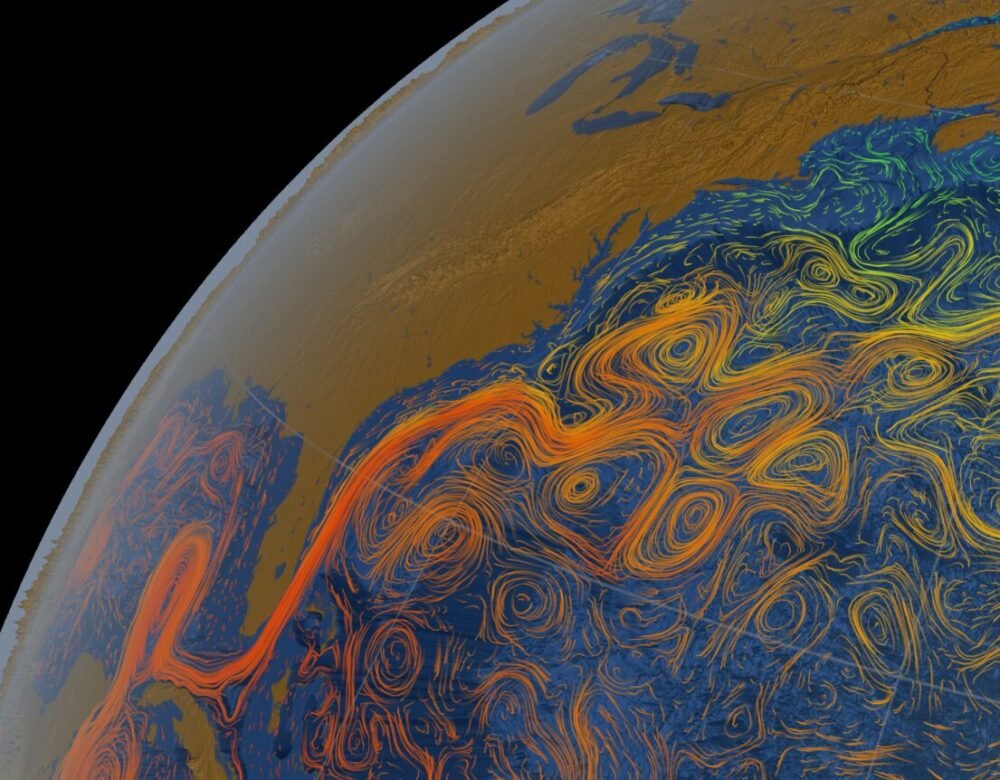
Temple professor Becki Beadling will discuss the role of the ocean in a changing climate and how we can use both climate models and observations to improve our understanding and reduce our uncertainty in projected climate change.
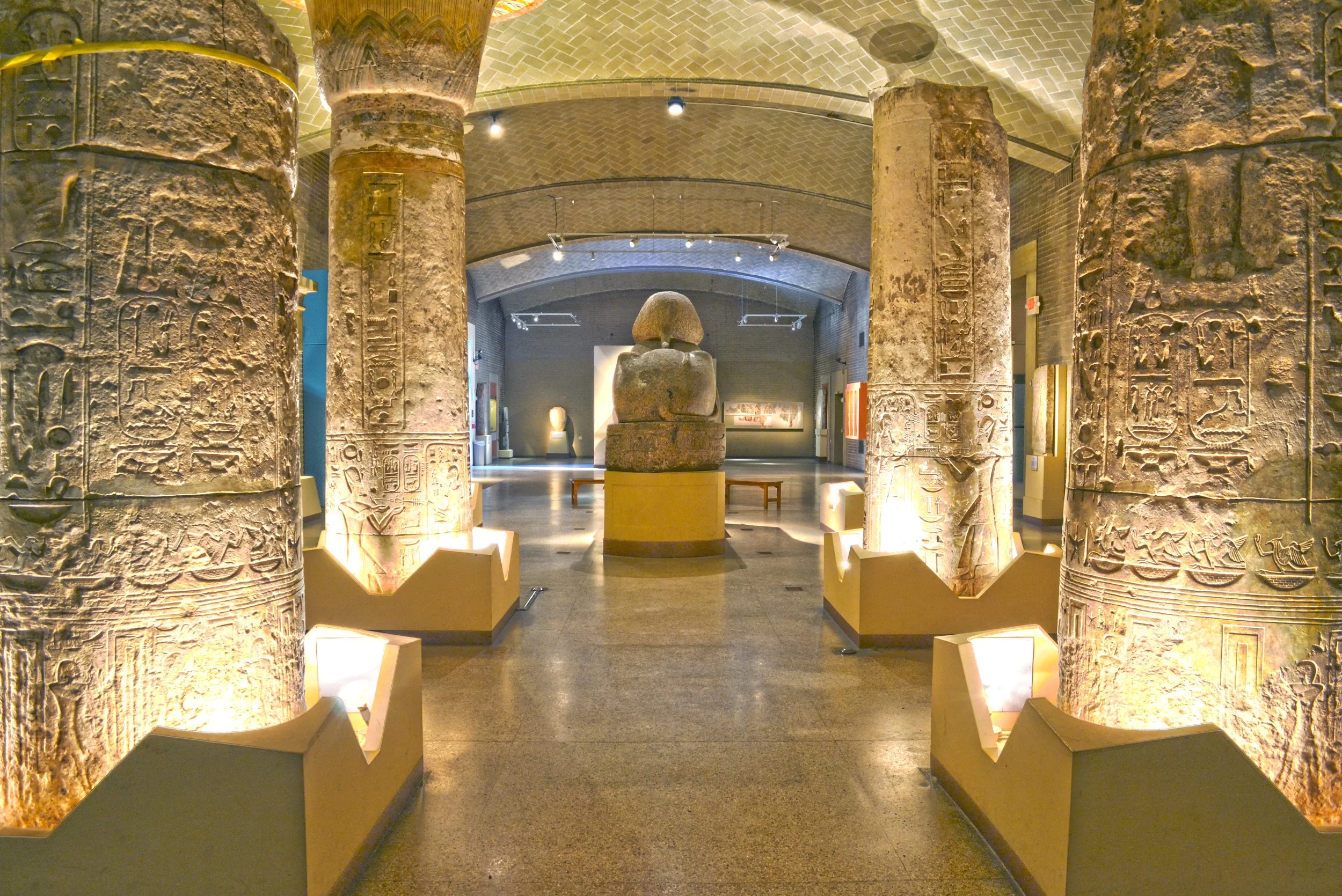
This talk explores the conservation of stone sculptures and architectural materials, many of which have not been closely examined since the 1920s. We will look at the new methods and materials that have been developed for this project and reflect on how art conservation and museum practices are changing over time.
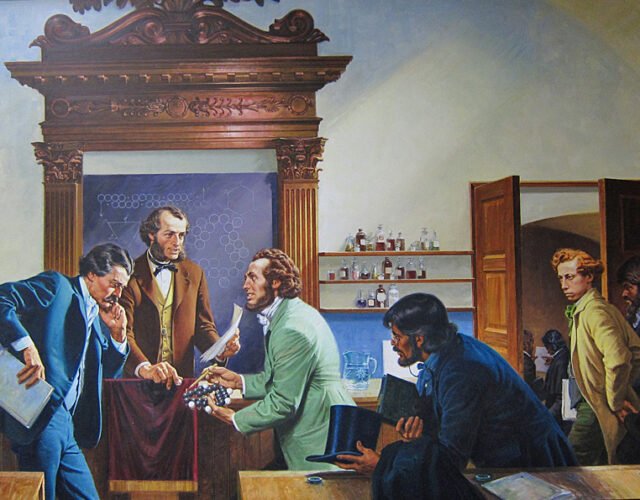
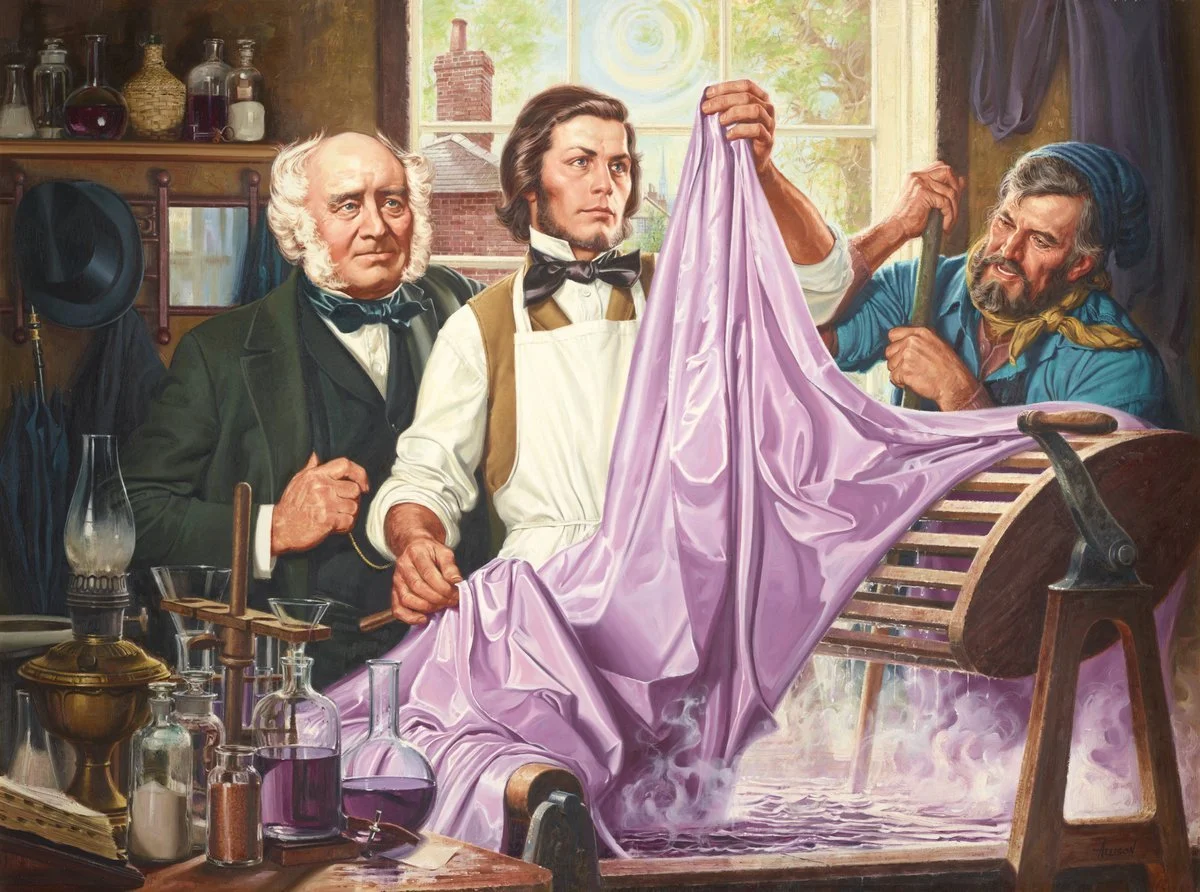
Join the Science History Institute’s curator, Elisabeth Berry Drago, and learn how the BOLD exhibition came together. You’ll learn how fashionable 19th-century buyers caught the “mauve measles,” dig into the strange history of Day-Glo, and be inspired by current trends towards sustainability and “green” dye processes.
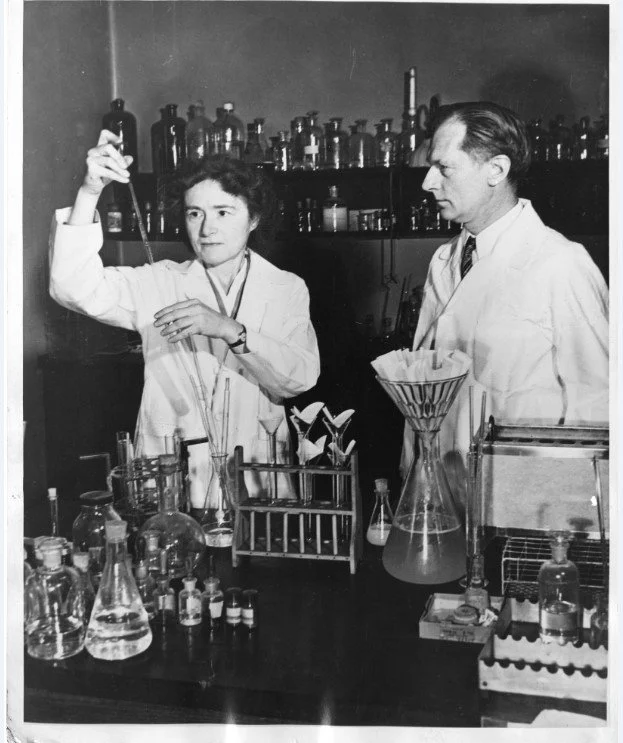
TALK BLURB: This talk examines the gendered dynamics of the joint research program that developed between Prague-born, Nobel Prize-winning biochemist Dr. Gerty T. Cori and her husband Dr. Carl F. Cori during their first ten years in the United States.
Tanya Dapkey will introduce us to eDNA and its applications, discuss what the future looks like for environmental genetics and share how scientists at the Academy of Natural Sciences are using these tools to discover biodiversity in the Delaware River Watershed.
This talk will explore how historians and social scientists reconstruct past epidemics, beginning with the stunningly underreported “throat distemper” epidemics of New England—the greatest single mortality event among European settlers in colonial North American history. We then return to Philadelphia to consider the other Yellow Fever Epidemics of the 1790s and finish with original work conducted for the Mütter Museum’s current exhibit on the 1918 Influenza Pandemic, “Spit Spreads Death.” Combining traditional research methodologies with computational humanities technology, we can reconstruct these catastrophic events anew and recover some of the actions of those who chose not to remember or be remembered.
Resident phages may hold the secret to success for healthy fecal transplant to treat numerous gastrointestinal diseases where probiotics fail. In this talk, Tabb Sullivan, PhD, a Principal Scientist at Integral Molecular, will explore the history of bacteriophages, what we currently know and what is being done to harness their power for treating challenging diseases. We will then explore what could be possible if we can manipulate the virome within.
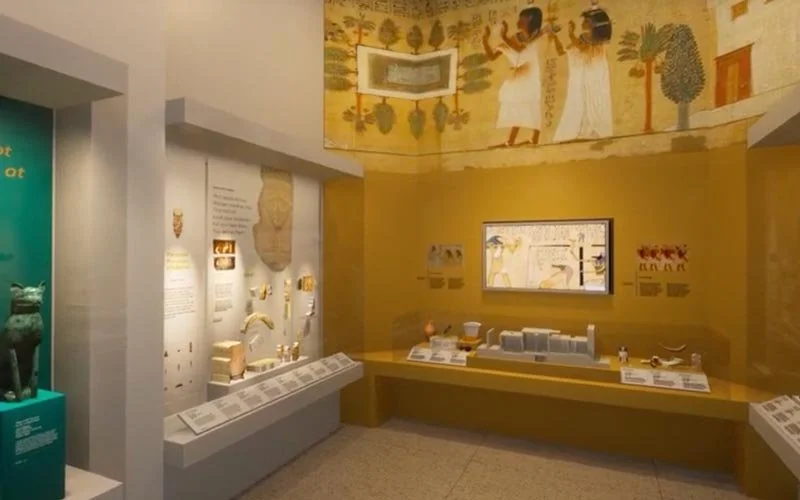
Did you know that the ground we walk on every day might be held up by a 300-year-old ship? Join us to learn about how changes to the landscape led to wooden ships being recycled to build 18th and 19th-century ports like New York City, Philadelphia, and Washington D.C.
Marine geologist Dr. Laura Guertin (Penn State Brandywine) will take us on the journey of when she first started combining her quilting and science storytelling skills, and how her field experiences in Alaska, Louisiana, and on a two-month ocean expedition in the South Atlantic Ocean are being shared with quilts.
Come along to Patrick Walsh’s talk to learn how cowboy doctors got their hands dirty with animal carcasses and made surprisingly effective remedies in the fin-de-siècle.
Jason Weckstein, associate curator of Ornithology at Philadelphia’s Academy of Natural Sciences of Drexel University, will take us on an armchair expedition into the Belém Area of Endemism in northeastern Brazil, where he co-led a team conducting research to discover and describe the bird and bird parasite diversity in the region.